Man with van in Malden Rushett

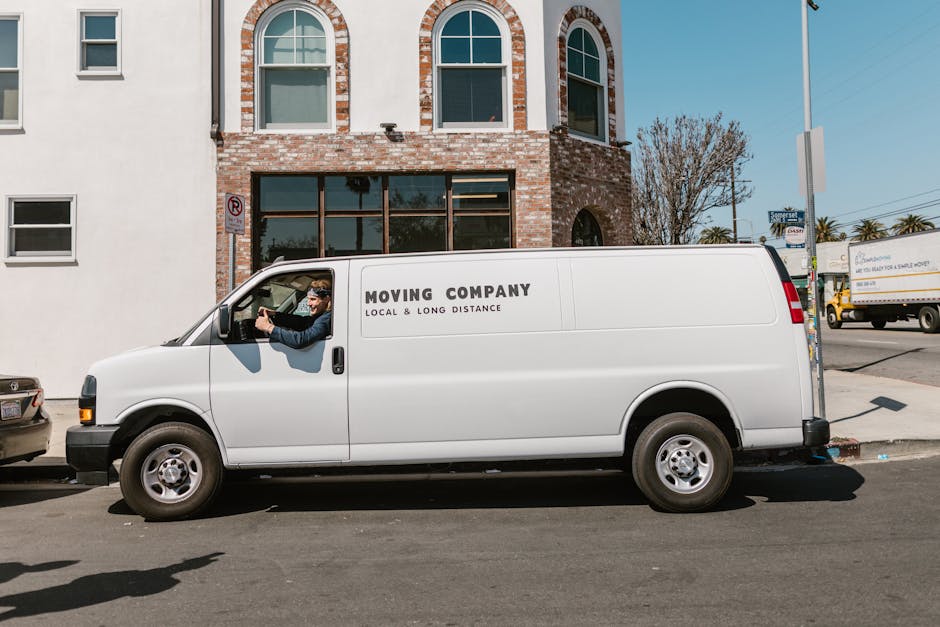
Our man with van service in Malden Rushett is set up for practical moving work that needs careful handling, sensible vehicle space and straightforward coordination. We help with household items, individual pieces of furniture, light removals and other transport tasks where a full-scale moving operation is not necessary. The service is designed to keep the process clear from the outset, with a focus on loading, secure transit and delivery to the agreed destination.
Because every move has its own shape, we can support different collection and delivery patterns across local journeys and wider routes. Some customers need a single item moved from one property to another; others want help shifting several pieces from a flat, house, storage unit or business premises. Our man with van option is a straightforward way to arrange that kind of transport without overcomplicating the job.
When you are planning the work, it helps to think about what is being moved, where it is going and whether access is simple or awkward. Narrow stairs, heavy furniture, awkward parking and fragile belongings all affect how the job is approached. A clear description of the load supports a more accurate quotation and makes it easier to match the right van size and handling approach to the task.
Household moving support
We handle household moves that suit a van-based service, including smaller relocations, partial moves and the transport of bulky items that are difficult to manage in a regular car. That can include sofas, beds, wardrobes, dining sets, white goods and boxed belongings. The aim is to provide a tidy, dependable move that gives the customer enough flexibility without adding unnecessary complexity to the day.
For people moving from a flat, shared property or a house with limited access, the service can be shaped around the practical route from door to van and from van to destination. Home moves are often about careful loading, keeping items stable in transit and making sure larger pieces are protected while they are carried. That is especially useful where a small or medium load needs more attention than a simple hire vehicle can offer.
We also support people who want a more focused service for household furniture rather than a full relocation. Furniture pick-up is useful when buying or collecting items that are too large or heavy to transport alone, or when a single piece needs moving between homes. It is a practical option when the main requirement is safe lifting and delivery rather than a long moving itinerary.
What our moving service covers

Our moving work is built around transport, lifting and organised handling rather than one fixed package. That means we can adapt to different loads, access points and delivery arrangements as long as the move suits a van-based approach. The service is especially useful for customers who want the benefit of experienced handling while keeping the job focused on the items that genuinely need assistance.
If the move involves a fuller household load, a more structured removal approach can be appropriate. Removals covers a broader type of moving work and is useful when several rooms of furniture and boxes need to be transferred together. It remains important, however, to describe the contents honestly so that the vehicle choice, loading time and route planning match the job properly.
- single-item and multi-item transport
- local and longer-distance moving jobs
- careful loading and unloading of common household goods
- assistance with bulky items that are awkward to move alone
- flexible support for domestic and small commercial collections
For customers comparing different moving options, it helps to look at how much is being carried and what kind of support is needed at each stage. A light move may only need vehicle space and lifting help, while a larger one may benefit from a more complete removal approach. Either way, the job is easier to arrange when the contents are described in plain terms from the start.
Local moving choices
Some jobs are best handled as a van move because they sit between a simple collection and a full house removal. That might include a student move, a partial flat move or the delivery of several items purchased from different places. Our service is designed to be adaptable, so the moving plan can reflect the amount of furniture, the type of property and the need for any extra care with fragile or awkward items.
Where customers want a more general moving solution, man and van removals provides a broader service description that can suit mixed domestic loads and smaller removal projects. It is often a sensible fit where the work requires more than transport alone but less than a large team or heavy removal vehicle. The key is matching the scale of the move to the right level of support.
For people who are still deciding between service types, it helps to compare the load size, access at both ends and the amount of assistance needed with lifting. A compact move may be straightforward, while a larger one may need more space and more careful timing. Clear information at the enquiry stage leads to a better matched quotation and a smoother moving day.
Packing, loading and item protection
Careful loading matters because items can shift in transit if they are not packed and arranged properly. Our approach focuses on sensible stacking, stable placement and attention to the pieces most likely to be damaged by movement. That includes protecting furniture finishes where possible and keeping lighter items from being crushed beneath heavier ones. It is all about making the move orderly rather than rushed.
If you need help preparing belongings before they travel, packing and unpacking services can support the stages before and after the vehicle journey. Some customers prefer to do this themselves, but others find it useful to have an organised hand with boxes, protective wrapping and unpacking at the destination. This can be especially helpful where the move includes mixed item types or time-sensitive rooms.
Useful preparation often comes down to simple steps: grouping similar items together, separating fragile goods and making sure anything especially heavy is identified in advance. That does not mean every box has to be perfect, but it does help the move go more smoothly. A brief, honest list of the main items is often enough to start arranging the right support.
Commercial and office transport

The same van-based approach can also work well for small business jobs that need reliable transport without the scale of a major relocation. That can include moving stock, office furniture, archived materials, display items or equipment between addresses. The emphasis stays on practical handling and making sure items are moved in a way that suits business schedules and access needs.
For larger workplace moves or planned changes of premises, office removals offers a clearer fit where desks, chairs, cabinets and equipment need to be transferred together. Office work often needs extra thought about labelled items, IT kit and breakable furnishings, so it is worth describing the contents carefully. A tidy plan helps reduce disruption and keeps the move easier to manage.
Where the requirement is broader than an office fit-out, commercial moves provides a useful route for businesses that need transport support for equipment or stock between sites. Not every commercial job needs a large removal operation; some simply need the right van, safe loading and enough attention to detail to keep the work on track. That is where a flexible moving service becomes especially useful.
About Malden Rushett
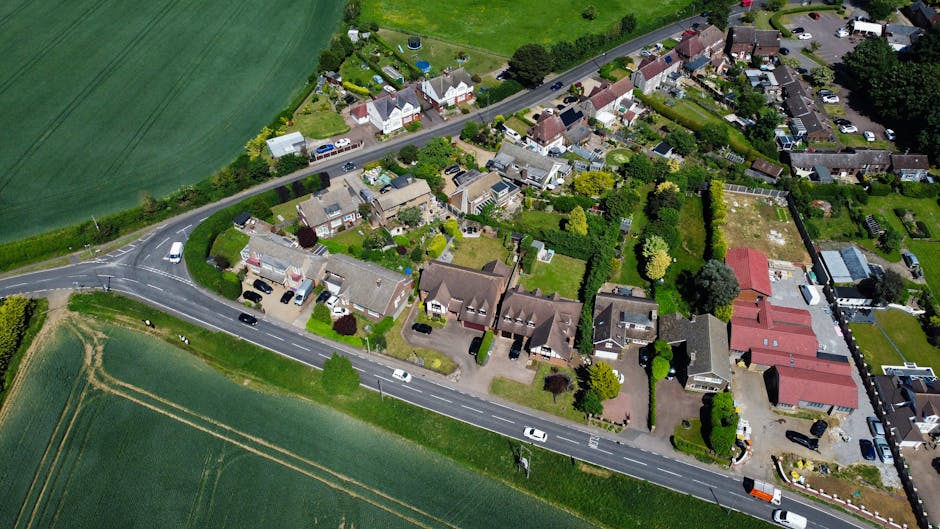
Malden Rushett is a small settlement in Surrey, positioned close to the edge of the Greater London fringe and connected to a wider pattern of roads, woodland and open land in the Chessington and Leatherhead area. It sits near the M25 corridor, which gives the place a distinctly transitional character: part rural edge, part commuter reach. The name has older roots and is often associated with the historic route network that runs through this corner of north-east Surrey. Although compact in size, the area is linked to a broader landscape of farmland, lanes and scattered development rather than a single dense centre. That setting gives it a quieter feel than nearby suburban districts, with the surrounding roads and green edges shaping how the place is experienced on foot and by car. The nearby countryside includes sections of the Green Belt, which helps preserve the open character of the locality and limits intensive building in many directions. In this part of Surrey, small communities often sit beside major transport routes, and Malden Rushett reflects that contrast clearly. The area is also close to places with stronger residential and retail functions, so it is commonly understood through its position between those larger centres rather than as a destination with a wide civic core of its own. That blend of road access, semi-rural surroundings and local identity gives the settlement a distinctive place within the map of the borough and the county.
How to plan a quotation
A good quotation begins with the essentials: what needs moving, where it is going, and whether there are any awkward access points, stairs or parking limits. If there are large items, fragile pieces or multiple collection stops, those details should be included too. This allows the move to be assessed more accurately and helps avoid confusion later. The more specific the description, the easier it is to match the right vehicle and time allocation.
It also helps to say whether the job is a simple transport run or whether loading and unloading support is needed at both ends. That distinction can affect the shape of the move more than customers sometimes expect. Pricing and quotes are usually clearer when the enquiry includes the main items and the addresses involved, because the work can then be considered in context rather than as a guess.
For customers who want to prepare well, a short list of key items is usually enough to begin. You do not need to write a long inventory unless the move is complex. What matters most is accuracy: note the largest pieces, the number of boxes if it is relevant, and anything delicate or unusually heavy. That keeps the quotation process focused and practical.
Transport for single items and smaller loads
Not every moving job involves a complete household or an entire office. Sometimes the task is simply to move one bed, a wardrobe, a sofa or a handful of boxed belongings from one address to another. For those jobs, a van-based service can be the most sensible option because it avoids unnecessary scale while still providing proper lifting and transport support.
Man with van removal is a useful description when the job sits in that middle ground between courier-style collection and a more substantial removal service. It suits customers who want the reassurance of help with larger items but do not need a big moving team. That balance can be especially helpful for students, renters and people changing one part of a household rather than everything at once.
Small moves still need care, even when they seem simple on paper. Furniture can be awkward to manoeuvre through doors, and a narrow hall or shared entrance can take more time than expected. Describing the property layout and the items being moved allows the job to be handled with the right level of attention from the start.
Vehicle choice and route considerations

Choosing the right vehicle matters because the space available in the van should suit the size and shape of the load. A move that includes long furniture, a mix of fragile boxes or several heavy items needs enough room to be secured properly. That is why it is useful to understand the load before the day of the move, rather than trying to adjust everything at the last minute.
Where customers need a straightforward transport-only approach, moving van is a clear service reference for jobs that depend primarily on vehicle capacity and careful transit. It can work well for local transfers, furniture collections or moves with a modest amount of property. The main advantage is that the service stays focused on getting the items from A to B with proper handling.
Route planning also matters when there are time windows, building access rules or distance between the collection and delivery points. Even for a simple van move, those practical details can affect the overall flow of the day. If the job has restricted parking or requires more than one stop, it is worth mentioning that early so the route can be considered properly.
Support for home and property removals
Property moves often combine furniture, boxes, soft furnishings and personal belongings that all need to travel together in a way that keeps them organised. For that reason, it is useful to keep the service clear about what is being removed and whether the move is partial or complete. A van-based removal can be the right answer when the volume is manageable but still needs careful handling.
If the move is for a house rather than a single item or a small flat transfer, house removals gives a service route that better reflects that wider domestic scale. It suits customers who want help with a fuller property move and need the work to be arranged with enough space and attention to loading order. That can make the whole process feel more controlled and less rushed.
For a slightly different wording of the same general need, house movers can also describe domestic moving help where the emphasis is on the practical task of shifting the contents of a home. Different customers search for different service names, but the underlying need is often the same: safe transport, organised loading and delivery to the next address without unnecessary fuss.
Service details that help the day run smoothly
There are a few pieces of information that make any moving job easier to arrange. The first is a clear description of the items, especially anything large, awkward or fragile. The second is access information, such as whether there are stairs, a lift, a long walk from the van to the property or any parking limits. The third is the destination, including whether items are being delivered to one address or split between more than one stop.
Another helpful detail is whether the job includes only transport or also loading and unloading support. That point can change the way the move is organised, especially where furniture has to be carried through tight spaces. Once those basics are known, the service can be shaped more accurately. If you are ready to compare options, removal services is a useful broad page for understanding the range of moving support available.
Request a quotation when you have the key details ready, and keep the explanation straightforward. A brief, accurate description usually gives the best starting point for arranging a sensible moving plan. If the job is simple, say so; if it is more involved, mention the parts that need extra care so the service can be matched properly.
Further support and final arrangements

Some customers need help at the start of the move, while others want support all the way through collection, transport and delivery. The service can be discussed in that context so the practical tasks are clear before anything is booked in. Whether the work involves one piece of furniture or a fuller household transfer, the aim is to keep the process understandable and manageable.
For customers wanting to make an enquiry, contact us is the natural next step once the items, dates and access details are known. It is also sensible to review the relevant terms and related information if you want a fuller picture of how the service is arranged. That way, the move can be planned with fewer surprises and a clearer expectation of what is included.
When you are ready, send through the main details and ask for a quotation. We will use the information to consider the load, the route and the handling required, then respond with a practical moving option. Take the next step by outlining the job in plain terms, and keep any special instructions together so they are easy to assess.