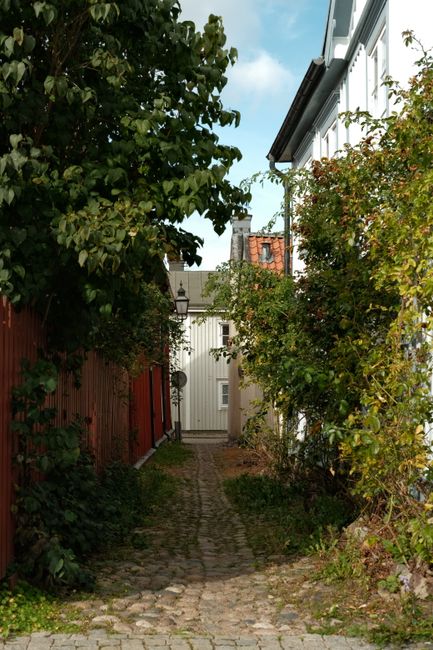
Tackling narrow drives and staircases in Malden Rushett: a practical moving guide
If you've ever stood at the bottom of a tight staircase with a sofa that looks a bit too wide for comfort, you'll know the feeling. One wrong angle, a scraped wall, a stuck corner, a very awkward silence. Tackling narrow drives and staircases in Malden Rushett is not just about muscle; it's about planning, timing, positioning, and keeping everyone calm when the space is working against you. This guide walks through the real-world approach: how to assess access properly, move safely, avoid common mistakes, and decide when a professional team is the sensible choice.
Whether you're moving out of a compact flat, shifting heavy furniture into a house with a narrow driveway, or trying to get a bed frame round a bendy staircase, the same principles apply. Measure first, protect surfaces, simplify what you can, and don't pretend the last five centimetres don't matter. They always do.
Table of Contents
- Why Tackling narrow drives and staircases in Malden Rushett Matters
- How Tackling narrow drives and staircases in Malden Rushett Works
- Key Benefits and Practical Advantages
- Who This Is For and When It Makes Sense
- Step-by-Step Guidance
- Expert Tips for Better Results
- Common Mistakes to Avoid
- Tools, Resources and Recommendations
- Law, Compliance, Standards, or Best Practice
- Options, Methods, or Comparison Table
- Case Study or Real-World Example
- Practical Checklist
- Conclusion
- Frequently Asked Questions
Why Tackling narrow drives and staircases in Malden Rushett Matters
In moving work, access issues are often the difference between a smooth day and a very long one. Narrow drives reduce the space available for reversing, unloading, carrying, and setting down items. Staircases create a second challenge: they force furniture to turn, tilt, and clear corners without bumping into banisters, walls, light fittings, or the person carrying the item. Put the two together and you get a movement puzzle that needs thought before anyone lifts a thing.
Malden Rushett has plenty of homes and access routes where space is not generous. Some properties have older layouts, tight entrances, short drives, or shared approach areas where careful parking matters. Others may be absolutely fine on paper but become tricky once a van is involved. A small hedge, a steep kerb, or a sharp turn can be enough to change the plan completely. That's why a proper access check matters so much.
There's also the protection side of it. Scratches to walls, dents to doors, strained backs, and damaged furniture usually come from rushed decisions, not bad luck. Truth be told, most moving damage is avoidable when the route is mapped properly and the right equipment is used. If you're looking at a full home move, it helps to think beyond the furniture itself and consider the whole process, including stress-free moving methods and how the van, the people, and the property all fit together.
Expert summary: narrow access problems are usually solved before the move starts, not during it. Measure the route, protect the property, and make the load easier where possible. That simple shift in thinking saves time, money, and a fair bit of frustration.
How Tackling narrow drives and staircases in Malden Rushett Works
The process is part planning, part technique, and part common sense. First, you identify where the bottleneck is. Is it the drive, the front path, the internal stairs, or all three? Then you work backwards from the biggest item you need to move. If the sofa, mattress, wardrobe, or piano can't clear the space as-is, you adjust the method, not the building.
For drives, the question is whether a van can safely get close enough to the property without blocking traffic, risking contact with a wall, or sitting in a position that makes loading awkward. For staircases, the question is whether the item can turn on the landing, whether it needs to be carried vertically, and whether parts should be removed first. The old "we'll just see how it goes" approach is a gamble. Sometimes it works. Often it doesn't.
A good moving team will also think about the order of operations. Large items should usually go first while the route is clear and everyone is fresh. Smaller boxes can follow later. If you're moving furniture on your own, you'll want to think in the same way: clear the route, protect the floor, carry one item at a time, and leave yourself enough room to stop safely. It may sound obvious. It still gets skipped all the time.
For awkward or heavy items, professional lifting methods can make a real difference. You can read more about the principles behind kinetic lifting techniques if you want a better sense of how controlled movement reduces strain. The short version? Smooth, coordinated lifting beats brute force every time.
Key Benefits and Practical Advantages
Doing this properly pays off in several ways. The obvious one is safety. When access is tight, the risk of injury or damage goes up fast. The less obvious one is efficiency. A move that begins with a clear access plan tends to stay on schedule, which means fewer delays and less stress for everyone involved.
- Less damage: careful measuring and route planning reduce the chance of scraped paint, chipped corners, and crushed box edges.
- Safer lifting: awkward bends and rushed turns are where injuries happen.
- Better use of space: if the van is positioned correctly, loading and unloading become much easier.
- Less fatigue: fewer failed attempts means fewer repeated lifts, which your back will appreciate.
- More predictable timings: if access is checked in advance, there are fewer surprises on the day.
There's also a practical emotional benefit, if that makes sense. Once you know the difficult bits have been thought through, the whole move feels less like chaos and more like a sequence. You start to see the job. That helps more than people expect.
And if you're moving bulky household pieces rather than a full property, it can be especially useful to think about specialist help for furniture removals in Malden Rushett, because awkward items are usually where delays begin.
Who This Is For and When It Makes Sense
This approach matters for a lot of people, not just those in very tight homes. Flat residents often deal with narrow stairwells, shared entrances, and limited turning space. House movers may face narrow drives or side passages. Students moving in or out of shared accommodation can run into steep stairs and heavy bags. Office moves can be just as awkward when the building has a narrow service entrance or a stairwell that was clearly designed for people, not filing cabinets.
It also makes sense if you have one or more of the following:
- large furniture that will not fit through a standard doorway comfortably
- a staircase with a tight landing or awkward turn
- a driveway that only allows one vehicle at a time
- shared access with neighbours or other residents
- heavy items that cannot simply be tipped or dragged
- concerns about protecting walls, bannisters, or flooring
For example, a couple moving from a first-floor flat may think they only need "a van and a bit of lifting." Then the mattress hits the stairwell, the wardrobe won't rotate at the landing, and the whole schedule starts to slip. That is exactly the point where a plan makes the difference.
If you are still deciding how much help you need, it can be useful to compare your move against the kind of situations covered in this narrow-access driver checklist. The title is specific, but the logic is broader: access problems need advance thinking, not improvisation.
Step-by-Step Guidance
Here's the simplest way to approach a move involving a narrow drive or staircase. Not fancy. Just effective.
- Measure the access route. Check the width of the drive, gates, front path, hallway, staircase, landings, and any tight turns. Measure the biggest furniture pieces too.
- Identify the problem item. Usually one object creates most of the challenge. Find it early.
- Decide what can be dismantled. Bed frames, table legs, modular sofas, and some wardrobes can often be reduced in size.
- Protect the property. Use floor coverings, door edge protection, and wall guards where needed.
- Plan the carrying route. Make sure the route is clear of shoes, plants, bins, loose rugs, and the random small table everyone forgets about.
- Position the van sensibly. The closer and safer the parking, the smoother the loading.
- Load heavy items first. Keep the flow organised and avoid burying the big pieces under boxes.
- Use the right lifting method. Keep backs straight, lift together, and communicate clearly. No guessing.
- Re-check before each carry. A route that worked for a box may not work for a sofa. Different object, different problem.
A tiny pause here: if anything feels unsafe, stop and reset. It's remarkable how often a ten-second pause saves ten minutes of chaos.
A useful note on packing
Good packing helps narrow access moves more than people realise. If your boxes are lighter and evenly filled, they are easier to carry on stairs and less likely to wobble on a tight turn. For a deeper walkthrough, the advice in smart packing tips is genuinely useful. It's not just about tape and labels; it's about making the whole move easier to handle in confined space.
Expert Tips for Better Results
Here are the small things that often make the biggest difference. In our experience, these are the details that turn a difficult job into a manageable one.
- Take corners slowly. A landing is where most mistakes happen. Move in small increments.
- Use a spotter. One person leads, one watches clearances, one guides from below if needed.
- Remove doors where appropriate. Sometimes a door off its hinges makes the difference between struggle and success.
- Wrap fragile surfaces. Banister rails, polished table legs, and painted edges deserve protection.
- Break the move into zones. Outside, hallway, stairs, room. Treat each as its own stage.
- Keep hands clear of pinch points. Fingers near stair rails and furniture corners are asking for trouble.
- Don't overfill boxes. Heavy boxes and stairs are not a friendly pair. Let's face it, nobody enjoys carrying a box of books up a tight staircase.
One overlooked tip is timing. Early morning moves are often easier because the driveway is quieter and there's less foot traffic. That can matter in shared or busy residential areas. Not always, but often enough to plan around.
Another tip: if you are moving something especially awkward, like a long sofa or a piano, use services designed for those items rather than forcing a general approach. For a good example of why specialist handling matters, see why professional piano moving is the wise option. Pianos and narrow staircases are not the place for trial and error.
Common Mistakes to Avoid
Most access problems are made worse by a few familiar habits. Avoid these and you're already ahead.
- Skipping measurements. Guessing usually leads to a failed carry.
- Forgetting the landing. People measure the stairs and forget the turn at the top. That's a classic one.
- Using too few people. Heavy items need enough controlled hands, not heroic optimism.
- Not checking van access first. A vehicle that cannot park safely near the property creates avoidable stress.
- Trying to force oversized items through intact. Sometimes dismantling is the only sensible answer.
- Ignoring surface protection. A few minutes with covers is cheaper than fixing scuffs later.
- Leaving packing until the last minute. Rushed boxes are awkward boxes.
There's also the human mistake of underestimating fatigue. The first few carries feel fine. Then your grip goes, the stairs feel steeper, and somebody starts saying "we're nearly there" a bit too often. That is your cue to slow down, not speed up.
Tools, Resources and Recommendations
You do not need a van full of specialist equipment to manage narrow access well, but the right tools help. Think in terms of control, protection, and stability.
| Tool or item | Why it helps | Best used for |
|---|---|---|
| Furniture blankets | Reduce knocks and surface damage | Sofas, tables, wardrobes, bed frames |
| Straps or lifting aids | Improve grip and weight distribution | Heavy items on stairs or over short distances |
| Floor protection | Prevents scrapes and dirt transfer | Hallways, landings, driveways |
| Door edge guards | Protects painted or varnished edges | Doorways and tight turns |
| Labels and tape | Keeps the move organised | Boxes, dismantled parts, fragile items |
For planning and logistical support, it can also help to review wider moving advice such as decluttering before moving. A leaner load is much easier to manage in a narrow hallway than a house full of half-packed clutter. That's just reality.
If you need a broader overview of moving support, the site's services overview is a helpful place to understand what different kinds of assistance usually cover. And if you are moving into a flat with stairs, flat removals in Malden Rushett are often the most relevant starting point.
Law, Compliance, Standards, or Best Practice
With access-heavy moves, best practice matters even when the job itself is straightforward. In the UK, safe lifting principles, risk awareness, and property protection are part of normal professional standards. You do not need to memorise regulations to make a good decision, but you should expect anyone helping with the move to work carefully, communicate clearly, and avoid unsafe handling.
For homeowners and tenants, the practical side is usually about keeping passageways safe, not blocking shared access, and respecting neighbours and communal areas. If a move means using a shared drive, a stairwell, or a common entrance, it is sensible to keep routes clear, minimise disruption, and avoid leaving items where someone could trip. That kind of courtesy matters more than people admit.
It is also sensible to check whether your removals provider has clear health and safety procedures, insurance arrangements, and a sensible complaints process if something goes wrong. You can review the site's own health and safety policy, insurance and safety information, and terms and conditions if you want to understand how a professional service frames responsibility and process.
In practice, compliance here is less about red tape and more about doing the sensible thing: lifting safely, planning access properly, and not pretending a staircase is wider than it is.
Options, Methods, or Comparison Table
There isn't one perfect method for every narrow-drive or staircase move. The right choice depends on the item, the property, and the level of risk. Here's a simple comparison.
| Method | Best for | Pros | Limits |
|---|---|---|---|
| Manual two-person carry | Smaller furniture and boxes | Flexible, low-cost, simple | Can be risky for heavy or awkward items |
| Partial dismantling | Wardrobes, beds, some tables | Makes items easier to turn and lift | Needs tools and time, not all items can be taken apart |
| Professional narrow-access handling | Large or valuable items | More control, less damage, better route planning | Usually costs more than self-move options |
| Staged removal with storage | Complex moves with timing gaps | Reduces pressure on move day | Requires extra planning and organisation |
If you are deciding between handling the job yourself or booking help, the guide on lifting heavy items by yourself is worth reading, because it gives you a sense of where self-move confidence ends and avoidable risk begins. The honest answer? Sometimes DIY is fine. Sometimes it is a false economy.
For people moving on short notice, it may also be worth considering same-day van options in Malden Rushett. Narrow access and rushed timing are not ideal companions, but a flexible van option can keep the move moving when plans change late in the day.
Case Study or Real-World Example
A realistic example: a couple moving out of a first-floor flat with a tight stairwell, a narrow front path, and a driveway that only allowed a short van stop. Their biggest problem was a three-seater sofa and a bed base that would not turn cleanly on the landing. They initially thought they could carry everything in one afternoon with a few friends. In fairness, many people would think that.
After a quick access review, the plan changed. The sofa was measured against the stair width, the bed base was dismantled, and the hallway was cleared before anything else moved. Floor protection went down first. The van was parked in the safest workable position rather than the closest possible one. That small distinction mattered.
The move still took effort, obviously. But it stayed controlled. No gouged wall. No panic on the landing. No one trapped halfway up the stairs pretending not to be worried. And the couple could get on with unpacking instead of apologising to the landlord.
That's really the point: narrow access does not have to become a crisis. It just needs a better plan than most people expect.
Practical Checklist
Use this before moving day, ideally the day before if you can.
- Measure the driveway, path, hallway, staircase, and landings
- Measure the widest and heaviest furniture items
- Check whether doors need removing
- Clear the route of shoes, mats, bins, and loose objects
- Protect floors, walls, bannisters, and door edges
- Confirm van access and parking position
- Decide which items should be dismantled
- Pack boxes so they are balanced and not overfilled
- Label fragile or awkward items clearly
- Keep water, snacks, and a phone charger nearby
- Make sure one person is responsible for route guidance
- Pause and re-assess if an item does not move safely
If you are clearing out old bits before the move, the information on bulk waste removal in Malden Rushett can help you decide what needs to go before the lifting starts. Less clutter usually means fewer obstacles. Simple, but true.
Conclusion
Tackling narrow drives and staircases in Malden Rushett is really about reducing friction. The access may be tight, but the process does not need to feel tight. Once you measure properly, protect the route, and choose the right lifting method, the whole move becomes more manageable and far less risky.
My honest advice is this: do not wait until furniture is stuck on a landing to start thinking about access. Build the plan first. That little bit of extra care up front usually saves time, protects the property, and keeps everyone in a better mood. Which, on moving day, is a bigger win than it sounds.
If your move includes oversized furniture, awkward stairs, or a driveway that looks more like a squeeze than an entrance, getting professional help is often the calmer choice. The right support can turn a difficult job into a neatly handled one, and that is worth a lot when the boxes are stacked and the kettle is still somewhere in transit.
Get a free quote today and see how much you can save.
Frequently Asked Questions
What is the main challenge with narrow drives and staircases during a move?
The main challenge is space. Narrow drives limit van positioning and loading room, while staircases create turning, lifting, and clearance issues for large items. Both increase the risk of damage if the route is not planned properly.
How do I know if my sofa will fit up a narrow staircase?
Measure the sofa's width, depth, and diagonal length, then compare that with the stair width, landing space, and any tight turns. If the measurements look borderline, it's usually safer to assume the sofa will need special handling or dismantling.
Should I dismantle furniture before moving it through a tight access route?
Usually, yes, if the item can be safely taken apart. Removing legs, shelves, or sections can make a huge difference on tight stairs and in narrow hallways. Just keep screws and fittings bagged and labelled so reassembly does not become its own drama.
Can one person move heavy furniture up stairs safely?
Only for lighter or manageable items, and even then with care. Heavy or awkward furniture is best moved by two or more people using proper lifting technique. If an item feels unstable or too heavy, do not force it.
What should I protect first in a narrow-access move?
Protect the route first: floors, bannisters, door edges, walls, and corners. Furniture can often be wrapped, but damage to the property is usually harder and more expensive to put right.
What if the van cannot park right outside my property?
That is common in tight or shared-access areas. The key is to identify the safest workable position in advance and plan the carry distance accordingly. Sometimes a short walk is better than a risky parking manoeuvre.
Are narrow driveways a problem for same-day removals?
They can be, mainly because same-day moves leave less room for trial and error. If access is tight, the job is smoother when the route has already been checked and the loading plan is simple and realistic.
How can I reduce the risk of damage on staircases?
Use floor and wall protection, move slowly around corners, assign a spotter, and keep hands away from pinch points. It also helps to carry fewer items at once and avoid rushing the final turns on landings.
What items are hardest to move through narrow access?
Large sofas, wardrobes, mattresses, pianos, and bulky office furniture are often the hardest. Their shape matters as much as their weight, because awkward angles are what cause most problems.
Do I need a professional removals team for a narrow staircase move?
Not always, but it becomes sensible when items are heavy, valuable, awkwardly shaped, or likely to damage the property. If you're unsure, a professional assessment is usually the safest next step.
How far in advance should I plan a move with narrow access?
As early as possible, ideally before packing is finished. The earlier you measure and assess access, the more likely you are to avoid last-minute changes, delays, or unnecessary dismantling.
What is the biggest mistake people make with tight-access moves?
Underestimating the route. People often focus on the item and forget the landing, the turning space, the van position, or the shared entrance. That is where the trouble usually starts.
If you want to understand more about the broader moving process and reduce pressure on the day, useful reading includes packing advice for easier moving and move-out cleaning tips. And if you are comparing support options, the pages on removals in Malden Rushett and man with a van Malden Rushett should be used only if the exact page is available. In practical terms, check what suits your load, your stairs, and your timing.
Some moves are messy, some are just oddly shaped, and a few are both. But with a steady plan and the right care, even the awkward ones can be handled well.