Moving from A243 homes in Malden Rushett: route tips for a smoother local move
Moving out of a home near the A243 in Malden Rushett can look straightforward on a map, then suddenly feel a bit fiddly in real life. You have traffic to think about, driveway access, turning space, neighbours, timing, and the not-so-small matter of getting a van in and out without blocking the road. This guide on Moving from A243 homes in Malden Rushett: route tips breaks down the practical stuff that actually helps on moving day. Not just theory. Real route planning, safer loading, and the little decisions that stop a decent move from becoming a stressful one.
Whether you are moving a flat, a family house, or a short-notice student let, the route matters more than people expect. A careful plan can save time, reduce lifting, and avoid those awkward moments where a van has to reverse half a street because the access looked easier on paper than it is at 8am. Let's make it simpler.
Why Moving from A243 homes in Malden Rushett: route tips Matters
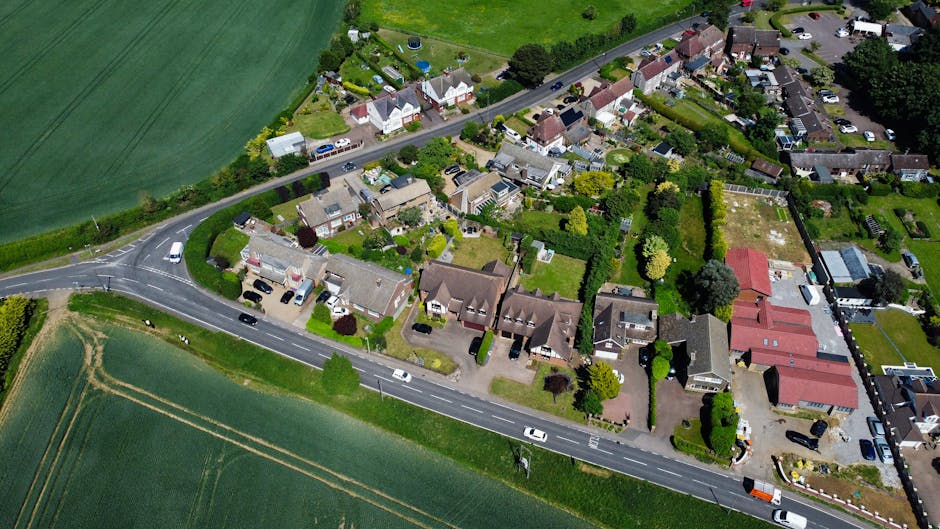
The A243 is useful because it connects you quickly to surrounding areas, but that same convenience can create moving-day pressure. Roads feeding into the A243 may be busier at the times you least want them to be. If your van arrives during a school-run window, a commuter flow, or a busy local delivery period, even a short transfer can feel long. Route planning is not about being dramatic. It is about reducing friction where it tends to appear.
For local removals, route tips matter for three main reasons:
- Access: can the van park close enough for safe loading?
- Timing: will traffic or road layout add avoidable delay?
- Protection: can you move items with fewer handovers and less carrying distance?
In practical terms, this means less strain on your furniture, less strain on your back, and fewer points where things can go wrong. A sofa scrape on a tight corner, a mattress getting wet in a sudden shower, a fridge being carried too far down the pavement - all avoidable with a bit of route thought. Truth be told, that small amount of planning is usually what separates a decent move from a day that runs hot and bothered.
It also helps you choose the right service. If your route involves narrow side roads, awkward turns, or limited loading space, you may be better off with a man and van in Malden Rushett for smaller loads, or a more complete house removals service if the job needs fuller handling. Knowing the route shapes the service. Not the other way round.
How Moving from A243 homes in Malden Rushett: route tips Works
Route planning for a local move is less about advanced navigation and more about matching vehicle size, access points, and timing to the realities of your street. The process usually starts with a simple question: where will the van stop, and how will the items travel from the front door to the vehicle?
From there, a good route plan looks at three layers:
- Exit from the property: front path, shared drive, on-street parking, or rear access.
- Local road movement: the most direct route, but also the safest and least congested one.
- Arrival at destination: whether the new address allows easy unloading or requires a different approach.
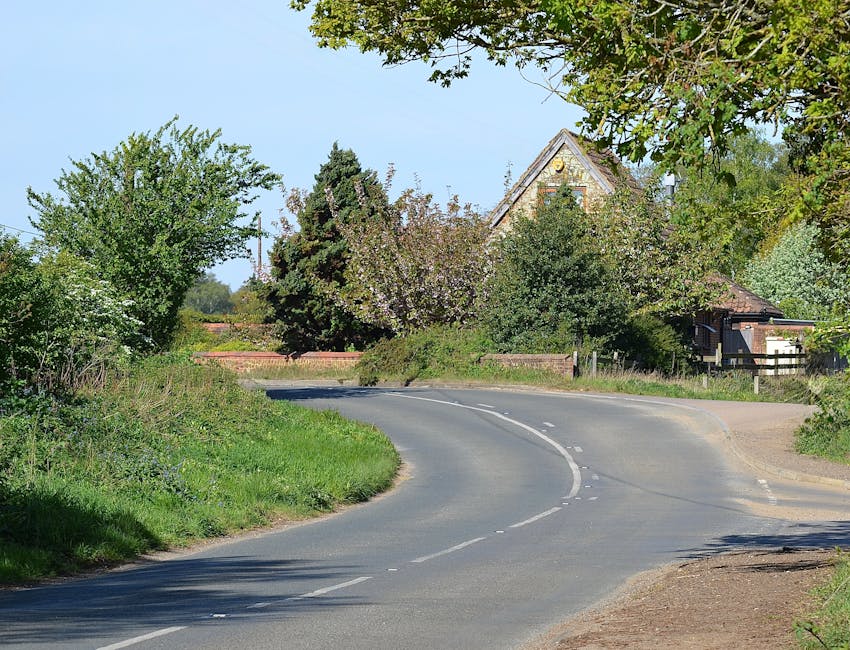
That may sound simple, but the details matter. A van can be perfectly fine on the main road and still awkward on the final approach. Low branches, parked cars, blind bends, and tight corners all affect the route choice. One missed detail, and suddenly everyone is doing the "should we just reverse a bit?" dance. Nobody enjoys that dance.
For example, if you are moving a bed frame and wardrobe, you may want the closest legal stopping point rather than the shortest theoretical route. If you are moving boxes only, a quicker route may be fine. If you have awkward furniture, a slightly longer drive with easier loading can be the smarter choice overall.
It is also worth cross-checking your home contents with practical packing advice. A guide like smart packing tips for a house move can help you prepare boxes in a way that makes the route from door to van quicker and less messy. The route starts inside the home, not on the road.
Key Benefits and Practical Advantages
Good route planning gives you more than convenience. It changes the whole moving rhythm. When the van can park sensibly and the road plan is sorted, the rest of the day usually feels calmer, even if the job is still physically demanding.
Here are the biggest benefits:
- Less carrying distance: which means fewer trips and lower risk of damage.
- Better time control: so you are not losing the morning to avoidable delays.
- Safer handling: because staff and helpers are not rushing around blind corners.
- Lower stress: because the unknowns are reduced.
- Cleaner handover: especially if you need to leave the property tidy.
There is also a financial angle. If your route is planned properly, you may need fewer labour hours, fewer fuel adjustments, and fewer awkward re-loads. That does not mean every move becomes cheap - it doesn't, let's face it - but it can make pricing more predictable. If you want to compare your options, the site's pricing and quotes page is a sensible place to start.
Another practical win: good route planning supports fragile or specialist items. For instance, a sofa that needs careful handling may benefit from direct access, and a piano will usually need even more thought. If you have a larger or delicate item, it is worth reading the advice in the guide to moving a piano properly and considering whether piano removals in Malden Rushett are the better route entirely. Small typo there? No matter. The point stands: fragile things prefer clear plans.
A useful summary: the better the route, the fewer the surprises. And on moving day, fewer surprises is a very good thing.
Expert summary: For A243-area moves, the best route is not always the shortest one. It is the route that gives the van safe access, keeps your furniture moving in fewer stages, and avoids preventable delays at loading and unloading.
Who This Is For and When It Makes Sense
This kind of route planning is useful for almost anyone moving from the Malden Rushett area, but it becomes especially important in a few common situations.
You will benefit most if you are:
- moving from a home with limited parking or a narrow driveway;
- using a larger van and need to confirm turning space;
- moving on a weekday and want to avoid busier road times;
- transporting heavy furniture, mattresses, appliances, or specialist items;
- arranging a same-day or short-notice move;
- working around school run times or neighbour access concerns;
- trying to keep the move simple, safe, and tidy.
Students often need this too. A small flat move can still be tricky if the route to the property is awkward or the road is busy. If that sounds familiar, the dedicated student removals service may be a better fit than trying to piece everything together yourself.
Sometimes route tips also matter for people moving from flats. With limited communal access, stairwells, shared entrances, and tight parking can slow everything down. In those cases, flat removals in Malden Rushett can save a lot of back-and-forth. You do not need a massive move to justify a proper route plan. Small jobs can be surprisingly awkward.
Step-by-Step Guidance
If you want a practical approach, use this sequence. It is simple, but it works.
- Walk the route from the front door to the road. Check gate widths, steps, slopes, low branches, and any awkward turns.
- Measure the obvious pinch points. You do not need laser-level precision. Just know whether a sofa, wardrobe, or mattress will fit through comfortably.
- Check parking and stopping options. Note where a van can legally and safely pause without blocking neighbours or forcing a dangerous manoeuvre.
- Think about timing. Early morning can be quieter, but not always. Match your move time to the local traffic pattern you actually face.
- Pack in route order. Put first-load items near the exit. That cuts unnecessary shuffling inside the property.
- Separate specialist items. Keep pianos, TVs, mirrors, and fragile items easy to identify so they can be loaded with care.
- Confirm the destination access. Do not assume the new place is easier. The arrival route matters just as much.
- Have a backup plan. If the van cannot stop directly outside, know your fallback parking point.
If you are unsure how much lifting is safe to attempt yourself, read these practical heavy-lifting tips. They are especially useful if you are moving bulky boxes or loose furniture before the van arrives. And if the moving day is already feeling full-on, a calmer strategy article like stress-free moving methods can help you reset and keep the process under control.
One small but important point: route planning should happen before you start carrying things. Once the sofa is halfway out the door, everyone gets a bit more optimistic than they should. Better to have the plan already sorted.
Expert Tips for Better Results
These are the details that often make a local move feel easier.
- Use a "load path" mindset. Picture the exact line each item will travel from room to van. If that line crosses tight corners, rethink the order.
- Protect the easy-to-mark items first. Sofas, mattresses, and painted furniture should be wrapped before the van arrives. For sofa-specific care, the article on long-term sofa care is surprisingly handy because the same protection ideas work during transit.
- Use the quietest access point. If you have a rear path or side gate, it may be far better than the front entrance, even if it feels less obvious.
- Keep one person as route checker. If several people are carrying items, one person should stay focused on parking, door clearance, and hazards.
- Have drinks and gloves ready. Simple, but it keeps people moving safely. Cold hands and cardboard boxes are not best friends.
If you are moving furniture that needs a bit more care, it may be worth looking at the specialist support available through furniture removals in Malden Rushett. That kind of service often pairs well with route planning because the route and the handling method are connected.
And if your move includes an appliance like a freezer, do not leave it as an afterthought. The article on storing a freezer securely when out of use explains why appliance prep matters before, during, and after transit. Sounds small. It never is, really.
Common Mistakes to Avoid
Most moving headaches come from a few repeat mistakes. The good news? They are easy to avoid once you know what to look for.
- Assuming the shortest route is the best route. Shorter can still mean slower if parking is poor or the road is cramped.
- Ignoring loading distance. A van parked 30 metres further away can add a lot of effort when you are carrying a wardrobe.
- Forgetting about traffic peaks. Local roads around school times or commuter periods can be a nuisance.
- Not checking item size against access. It is a classic mistake, and people only realise it when the item is already at the doorway.
- Leaving fragile items unwrapped. A little movement in the van is enough to chip corners or scuff surfaces.
- Overloading one person with too many jobs. Route checking, lifting, and door holding all at once is messy. Someone ends up running.
There is also the matter of cleaning and final handover. If you are planning to leave the property properly sorted, a useful companion read is move-out cleaning hacks. It helps you avoid that familiar post-move scramble where the van is waiting and someone is hunting for bin bags. Been there. Not ideal.
If you want to avoid last-minute clutter, the guide to decluttering before a move is also worth your time. Less clutter means fewer items on the route, which sounds obvious, but people often miss it until the boxes start stacking up in the hallway.
Tools, Resources and Recommendations
You do not need specialist gear for every move, but a few simple tools make route-based moving much easier.
| Tool or resource | What it helps with | Why it matters on an A243-area move |
|---|---|---|
| Measuring tape | Doorways, corridors, furniture clearances | Confirms items can move through tight access points |
| Furniture blankets and wrap | Protection during carrying and loading | Reduces scuffs on narrow routes and van edges |
| Hand truck or sack truck | Heavy boxes and appliances | Speeds up loading where the path is level and suitable |
| Phone maps and route check | Traffic timing and access planning | Helps you avoid avoidable congestion and poor turning choices |
| Box labels | Load order and room placement | Makes the route from van to room cleaner and faster |
For many local customers, the most useful resource is not a gadget but the right service fit. If you want a quick overview of what is available, the services overview is a good starting point. It helps you compare options without guessing.
Also worth keeping in mind: if you are moving large items down a tricky access point, you may find extra value in the moving techniques discussed in kinetic lifting methods. The idea is simple: reduce strain by improving movement mechanics. Not glamorous, but very useful when your arms are tired and the gate is still stubborn.
Law, Compliance, Standards and Best Practice
For most home moves, the main compliance issues are practical rather than legal in a dramatic sense. Still, there are standards and best practices worth respecting.
These include:
- Safe parking and stopping: do not block emergency access, driveways, or unsafe road positions.
- Manual handling awareness: use sensible lifting technique and avoid pretending you are stronger than physics. Physics usually wins.
- Insurance and care: check that the mover or van service has suitable insurance for goods in transit and public liability where relevant.
- Property respect: protect floors, banisters, walls, and door frames during loading.
- Neighbour consideration: keep noise, obstruction, and congestion to a minimum where practical.
If you are comparing providers, look for clear terms, plain communication, and a sensible approach to safety. The site's insurance and safety page is useful if you want reassurance around risk handling, while health and safety policy information can help you understand how the work is approached. For general service confidence, removal companies in Malden Rushett and removal services are also worth comparing.
There is also a basic sustainability angle. Fewer wasted trips, less rehandling, and better packing all reduce unnecessary movement. If you are clearing out items responsibly, the company's recycling and sustainability information is a sensible read.
Options, Methods and Comparison Table
Not every move from an A243-area home needs the same setup. Here is a practical comparison of common approaches.
| Approach | Best for | Pros | Watch-outs |
|---|---|---|---|
| DIY van hire | Small, simple moves with light access | Flexible and may suit lower budgets | You handle route planning, lifting, and timing yourself |
| Man and van | Smaller homes, flats, or partial moves | Practical support without overcomplicating things | Needs clear access planning to stay efficient |
| Full house removals | Larger family moves or full-property relocations | More structured and generally less stressful | May need earlier booking and more detailed planning |
| Specialist item removals | Pianos, awkward furniture, delicate appliances | Better handling and appropriate equipment | Can require extra access checks and preparation |
If your move is urgent, a same-day removals option may be worth exploring, although route clarity becomes even more important when time is tight. For some jobs, especially in tight streets or quick turnarounds, a removal van hire solution can be the most straightforward route. That said, the right choice depends on your load, not just the clock.
Case Study or Real-World Example
Here is a realistic example based on the sort of move people in Malden Rushett often face.
A couple moving from a house near the A243 had a mixture of boxes, a bed frame, a sofa, and a small freezer. On paper, the move looked quick. But the front of the property had limited stopping space, and the first route they considered would have left the van too far from the door. Instead of forcing it, they chose a slightly different access approach: the van used the quietest nearby stopping point, the freezer was loaded first while the path was clear, and the sofa was wrapped before it left the house. The move took a bit longer than the most optimistic estimate, but it stayed calm and orderly.
What made the difference?
- They checked access before moving day.
- They packed first-load items last, so they came out first.
- They kept heavier items near the exit.
- They did not try to "save time" by rushing one awkward corner.
That last point is often the one people underestimate. Rushing rarely saves time. It usually creates a second problem. Sometimes a third too.
For moves like this, a service such as man with a van in Malden Rushett can be a very neat fit because it gives you flexibility without turning the day into a logistics project. If you have a more substantial property move, the larger-scale removals service may suit you better.
Practical Checklist
Use this checklist the day before and again on the morning of the move.
- Confirm van size and expected arrival time.
- Check the best stopping point near the property.
- Walk the route from the front door to the road.
- Measure doorways, gates, and any tight corners.
- Wrap sofas, mattresses, mirrors, and other delicate items.
- Label boxes by room and priority.
- Keep tools, keys, and paperwork in one place.
- Check the destination access before the van leaves.
- Put first-load items closest to the exit.
- Keep water, gloves, and phone chargers available.
- Have a backup parking idea if the first option is blocked.
- Do one final sweep for loose items, cords, and doorstep clutter.
If you are moving a bed or mattress, it is worth reading top tips for shifting a bed and mattress. Beds are awkward in all the usual ways: they are bulky, slightly bendy, and never seem to appreciate narrow stairs. A little planning saves a lot of swearing. Quietly, of course.
Get a free quote today and see how much you can save.
Conclusion
Moving from A243 homes in Malden Rushett does not need to be complicated, but it does need a route plan that reflects how local roads, access points, and vehicle handling actually work. The best moves are usually the ones where somebody thought ahead about parking, loading order, turning space, and timing. That preparation is not flashy, yet it is what keeps the day steady.
If you remember only one thing, make it this: plan the route around the load, not just around the map. The road outside your home may look simple, but the best route is the one that protects your belongings, respects the street, and lets everyone breathe a little easier.
And if you are still in the early stages, that is fine. Start with the access check, then build the rest from there. A calm move is rarely an accident. It is usually a series of small good decisions, one after another.
Frequently Asked Questions
What is the best route tip for moving from an A243 home in Malden Rushett?
The best tip is to plan the route around van access, not just distance. The easiest road on a map is not always the easiest one for parking, loading, or turning.
Should I book a van before checking the route?
It is better to check access first. Knowing whether the van can stop close to the property helps you choose the right vehicle size and the right type of removal service.
How far in advance should I plan the move route?
For a normal local move, a few days of planning is usually enough. If the access is tight, the move is urgent, or you have large furniture, plan earlier so you have time to adjust.
What if parking near my home is limited?
Use the nearest safe and legal stopping point and build your load plan around that. If parking is especially awkward, a smaller vehicle or a man and van option can be more practical.
Do I need to worry about traffic around the A243?
Yes, especially during busier local travel times. A short delay on paper can become a much bigger delay if your moving window overlaps with peak traffic or school-run movement.
Is a man and van service enough for this type of move?
Often, yes, particularly for flats, partial moves, and smaller households. For larger or more complex homes, full removals may be a better fit.
How do I move large furniture safely from a road like this?
Measure the access, wrap the furniture, and keep the load path clear. If an item is especially heavy or awkward, use specialist support rather than trying to force it.
Can route planning reduce moving costs?
It can help by reducing wasted time, awkward re-handling, and unnecessary trips. It will not remove all costs, but it often makes pricing and scheduling more efficient.
What should I do if the van cannot get close enough to the house?
Choose the safest nearby stopping point, use trolleys or extra hands where appropriate, and load the most awkward items first while everyone is fresh.
Is same-day moving possible from Malden Rushett?
It can be, depending on availability and the scale of the move. Same-day removals work best when the access is clear and the load is well prepared.
Do I need special help for a piano or freezer?
Yes, specialist items deserve specialist care. Pianos, freezers, and other bulky or sensitive items are much easier and safer when handled with the right equipment and route plan.
What should I check the morning of the move?
Confirm parking, access, box order, and whether the route still makes sense if traffic has changed. A quick final check can prevent a surprisingly annoying delay.
Where can I learn more about moving safely and smoothly?
The site's guides on packing, decluttering, heavy lifting, and furniture handling are a good starting point. They help you turn a route plan into a calmer overall moving day.